Performance nutrition serves as more than a trend for those serious about sports. Athletes, gym-goers, and fitness enthusiasts who want to excel quickly learn that their behaviors off the field or out of the gym can matter as much as physical effort. It’s not only about consuming calories, but it’s also about fueling the body with the right combination of nutrients and supplements at the right time for optimal outcomes. When looking to enhance performance, strength, or recovery, the focus falls on targeted nutrition strategies and evidence-based supplementation.
A solid foundation in sports nutrition centers on how macronutrients (protein, fats, carbohydrates) and micronutrients (vitamins, minerals) work together to fuel workouts and support recovery. Today’s competitive landscape means athletic individuals can’t overlook even minor dietary choices. Whether prepping for competition, building muscle, or recovering from tough training sessions, understanding the nuances of nutrition drives long-term success.
As research continues to uncover the impact of nutrient timing and density on muscle growth and energy output, athletes and trainers prioritize structured meal plans and supplement strategies to enhance performance. In a survey on athletic habits published by the International Society of Sports Nutrition in 2025, almost 75% of professional athletes cited sports nutrition supplements as a determining factor in their ability to hit performance targets and prevent injuries consistently. This focus applies across experience levels, from those embarking on their first 5k to bodybuilders vying for a podium finish. The common thread: nutrition is intrinsically linked to reaching and exceeding goals.

Every successful athlete’s nutrition plan begins by understanding the demands the body faces during different stages of training, competition, and recovery. The right blend of macronutrients directly affects how efficiently muscles perform, how quickly the body recovers, and how much energy is available on demand.
Micronutrients, including B vitamins, iron, and vitamin D, play key supporting roles in energy production, oxygen transport, and immune support.
Recent studies show that what and when you eat can dramatically affect performance metrics. A 2024 review in Sports Medicine concluded that consuming a carbohydrate-protein meal or shake within 30 minutes post-workout accelerates muscle glycogen replenishment and kickstarts the repair process, reducing soreness and accelerating adaptation.
Pre-workout meals dense in complex carbohydrates and moderate protein set the stage for sustained energy, while carefully timed snacks or drinks during longer sessions prevent energy crashes. Hydration, often undervalued, remains central to optimal output, as even mild dehydration can reduce power and impair decision-making.
Structure and consistency transform nutrition from a background consideration into a powerful tool in the quest for better results. With transparent guidance from reputable sources, athletes can avoid common pitfalls such as overtraining, crash dieting, and unnecessary supplement use in pursuit of quick fixes.
Nutrition isn’t just about what you consume, but how well your body can absorb and utilize those nutrients. For athletes, maximizing absorption means everything from timing your nutrient intake to supporting gut health and recovery. Each step in the process affects how much energy and benefit you actually derive from your meals or supplements.
Your gut is more than a food processing system; it’s where nutrients enter your bloodstream for delivery to working muscles. Frequent workouts can sometimes stress the digestive system, leading to issues like bloating or poor absorption. Ensuring a diet rich in fiber (from vegetables, fruits, and whole grains), probiotics (yogurt, sauerkraut, kefir), and sufficient hydration allows for smooth movement and greater uptake of critical micronutrients, including iron, magnesium, and B vitamins. A 2023 study published in Nutrients found that athletes with consistently high fiber and probiotic intake demonstrated reduced inflammation and had faster muscle recovery times.
Some micronutrients for athletes work best when paired with others. For example, vitamin D helps your body absorb calcium, which is key to bone health and contractile function. Similarly, consuming vitamin C alongside plant-based iron increases its absorption, which is essential for endurance athletes who follow vegetarian or vegan diets. Nutritionists often suggest pairing leafy greens (an iron source) with citrus fruits (vitamin C) in salads for a functional boost.
Not all supplements are created equal. While the sports supplement industry continues to expand, promising quick improvement, evidence separates effective tools from marketing gimmicks. Precise supplementation can bridge nutritional gaps, aid recovery, and sometimes improve power, but it never substitutes for a well-rounded diet.
Quickly absorbed after workouts, these supplements work by providing essential amino acids for muscle repair. According to a 2024 study in the Journal of the International Society of Sports Nutrition, protein supplementation within the first hour post-training can increase lean muscle mass over twelve weeks compared to controls.
Backed by hundreds of research papers, creatine remains one of the most effective aids for increased strength, explosive power, and sprint capacity. It’s naturally found in the body, but supplementing ensures muscles remain fully saturated, especially during periods of strenuous training.
These specific amino acids, leucine, isoleucine, and valine, help minimize muscle breakdown and enhance recovery, especially during caloric restriction phases.
Shown to boost muscular endurance, beta-alanine supplements elevate muscle carnosine stores, buffering lactic acid buildup and allowing for longer, more intense training sessions.
Used strategically, caffeine can improve focus, energy, and performance in sports that require alertness or rapid decision-making. Small doses, equivalent to about a cup of coffee, are often used before competition.
While the list above reflects strong support in scientific literature, athletes must remain cautious about unregulated products. Look for transparent sourcing and testing, as highlighted by the U.S. Anti-Doping Agency, to ensure contents are accurate and free from harmful additives.
For those seeking further details on supplement safety, resources from the International Olympic Committee provide comprehensive guides on supplement use within regulated sports.
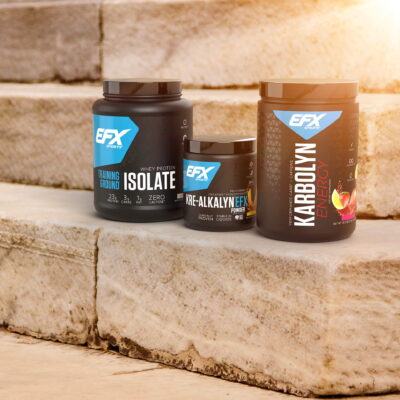
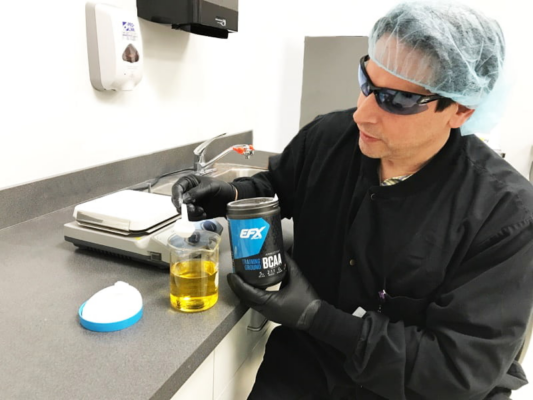
Finding reliable vendors committed to athlete-nutrition transparency helps ensure that all products are batch-tested and free from banned or harmful substances. Companies such as EFX Sports provide in-depth education and quality control information to support informed decision-making in sports nutrition for athletes.
Individual needs vary dramatically based on sport, body type, gender, and even genetics. Rigid, generic diet plans rarely yield the best outcomes for performance nutrition. Instead, personalization is essential for maximizing benefits and minimizing risks.
A marathon runner requires a vastly different fueling plan than a powerlifter. Endurance athletes prioritize sustained carbohydrate intake and timed electrolyte replenishment, while power or strength-focused athletes need protein-rich meals and hydration strategies adapted to heavy lifting.
Technology, from wearable devices that track hydration levels to apps that log calorie and micronutrient intake, enables highly tailored nutrition approaches. By regularly reviewing progress, body composition, and subjective measures such as sleep and energy, athletes remain nimble and proactive. This might include raising carbohydrate intake during high training loads or boosting antioxidants when immune function dips during heavy travel or competition schedules.
Dietitians and certified nutritionists play a vital role for athletes who compete at high levels or have unique dietary needs due to food allergies, intolerances, or underlying health concerns. For weight-class sports or those with strict body composition requirements, careful management of caloric intake, fluid shifts, and even meal timing is essential to avoid sacrificing strength or energy.
Nutritional needs shift throughout the athlete’s life and career. Young athletes in growth phases need higher calorie and protein levels. In contrast, female athletes must pay particular attention to iron, calcium, and overall energy availability to avoid the female athlete triad, a condition marked by disordered eating, menstrual disturbances, and reduced bone density.
Veterans of competitive sports often need to account for slower metabolism, injury risk, and changes in muscle mass. Tailoring nutrition at each stage ensures ongoing health and functional performance.
Professional cyclist Sarah M., featured in a 2024 USA Cycling profile, credits her nutritionist-led plan with reducing injury downtime and improving recovery after races. By integrating personalized supplement protocols, strategic meal prep, and regular feedback on performance analytics, she documented measurable improvements in training outcomes and energy levels during endurance events.
Athletes can explore how a personalized approach boosts outcomes by learning more about sports and nutrition plans.
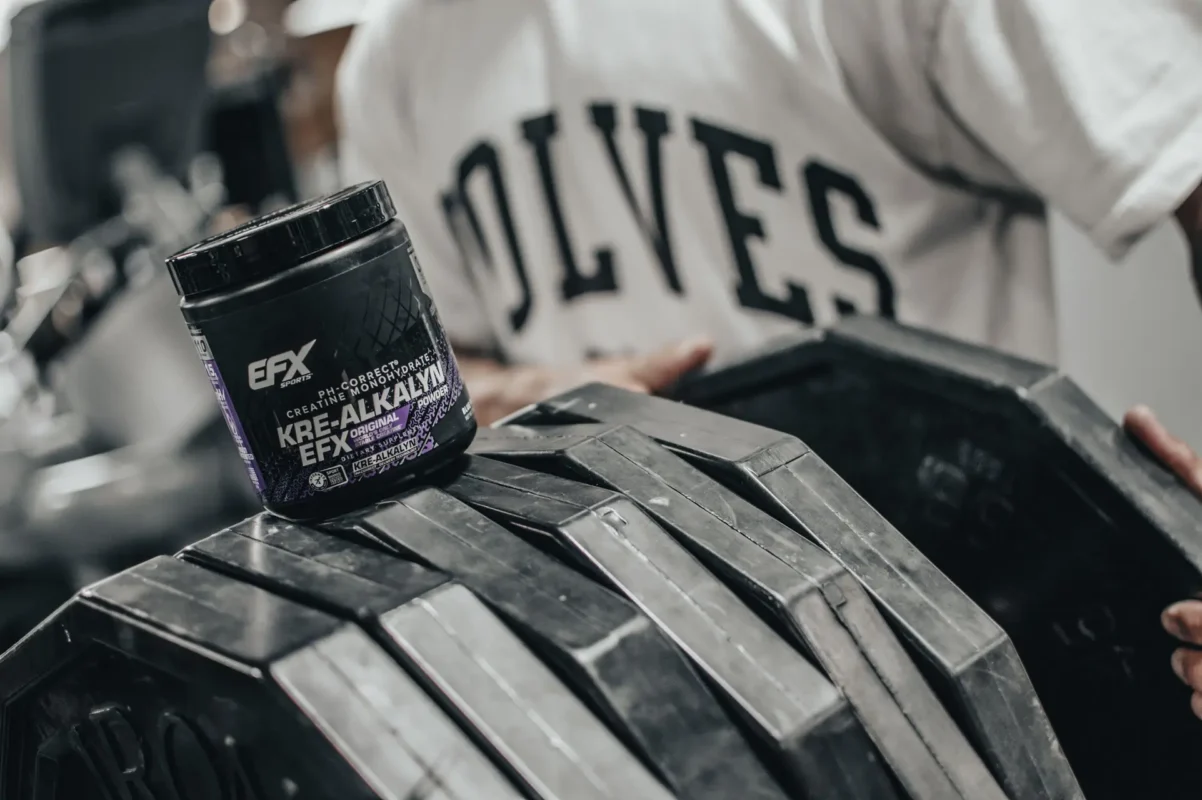
Integrating sports nutrition doesn’t require an army of chefs or endless free time. With a bit of planning and the right resources, most busy athletes or fitness enthusiasts can implement effective nutrition strategies that drive measurable benefits, both physically and mentally.
Batch cooking protein sources, preparing grab-and-go snacks, and using convenient, high-quality supplements all help maintain consistency. For breakfast, overnight oats made with whey protein and fruit are both portable and energizing. On heavy training days, prioritizing carbohydrate-rich meals like brown rice, quinoa, or sweet potatoes helps keep muscles primed.
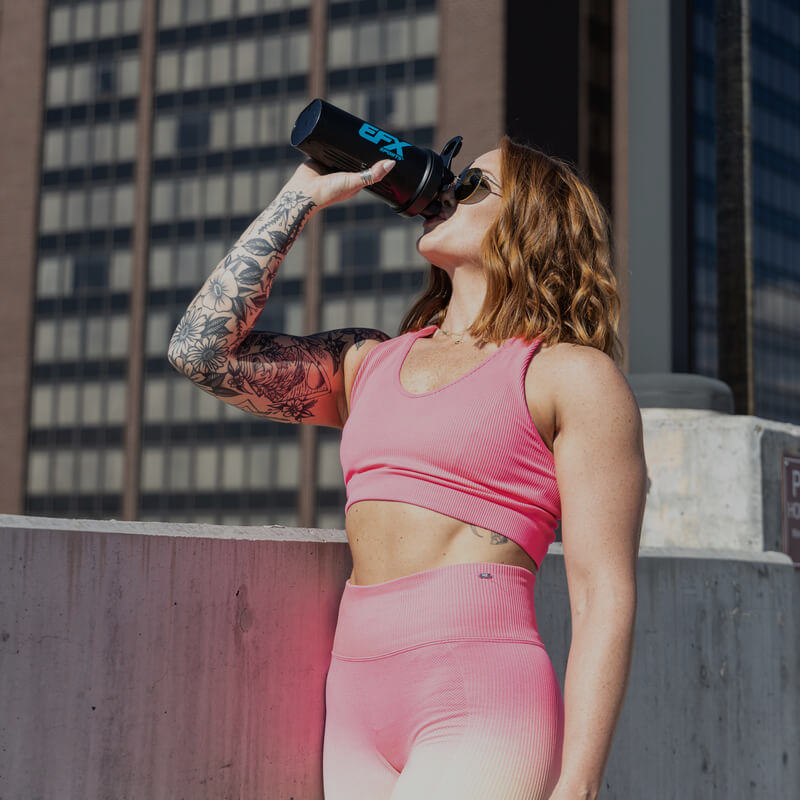
Carrying a refillable water bottle and setting reminders fosters regular intake. For longer training bouts, incorporating electrolyte powders aids fluid retention and muscle function.
Selecting supplements from verified, reputable vendors ensures quality control and peace of mind. For those training early or late, caffeine or pre-workout blends can sharpen focus, while a nightly casein protein shake supports overnight muscle growth.
Skipping meals, relying too much on quick-fix energy drinks, or ignoring micronutrients can derail progress. Tools like meal-tracking apps and checklists, combined with consistent routines, transform small decisions into significant advantages.
While whole foods sit atop any nutrition plan, supplements support goals on travel days, during periods of increased demand, or when convenience is paramount. High-quality protein powders, BCAA mixes, and even vitamin D drops help bridge unavoidable gaps, especially for athletes with busy, mobile lifestyles.
Athletes can dive deeper into effective supplement strategies and safe sourcing by visiting the performance supplements guide.
Performance nutrition focuses on optimizing the types, timing, and quantities of food and supplements to support training, competition, and recovery. It’s considered essential for athletes because proper nutrition promotes muscle growth, shortens recovery time, and improves overall athletic output.
Supplements are not a substitute for a balanced diet, but they can sometimes help close nutrient gaps, speed recovery, or enhance specific physical capacities. Choices like protein powders, creatine, or electrolyte mixes can complement meals during periods of intense training or busy schedules.
Commonly recommended supplements include whey or plant-based protein powder, creatine monohydrate, branched-chain amino acids (BCAAs), beta-alanine, and caffeine. These have strong research backing for safety and effectiveness when used as directed.
Endurance athletes generally require higher carbohydrate intake to fuel prolonged activity and to replenish electrolytes. Strength-focused athletes often benefit from slightly higher protein intake and meal timing to support muscle growth and repair.
Reputable sites like the International Society of Sports Nutrition, the U.S. Anti-Doping Agency, and respected supplement brands focused on transparency, such as EFX Sports, offer valuable insights into the safe, effective use of sports and nutrition products, regulatory updates, and real-world testimonials.