Let me guess.
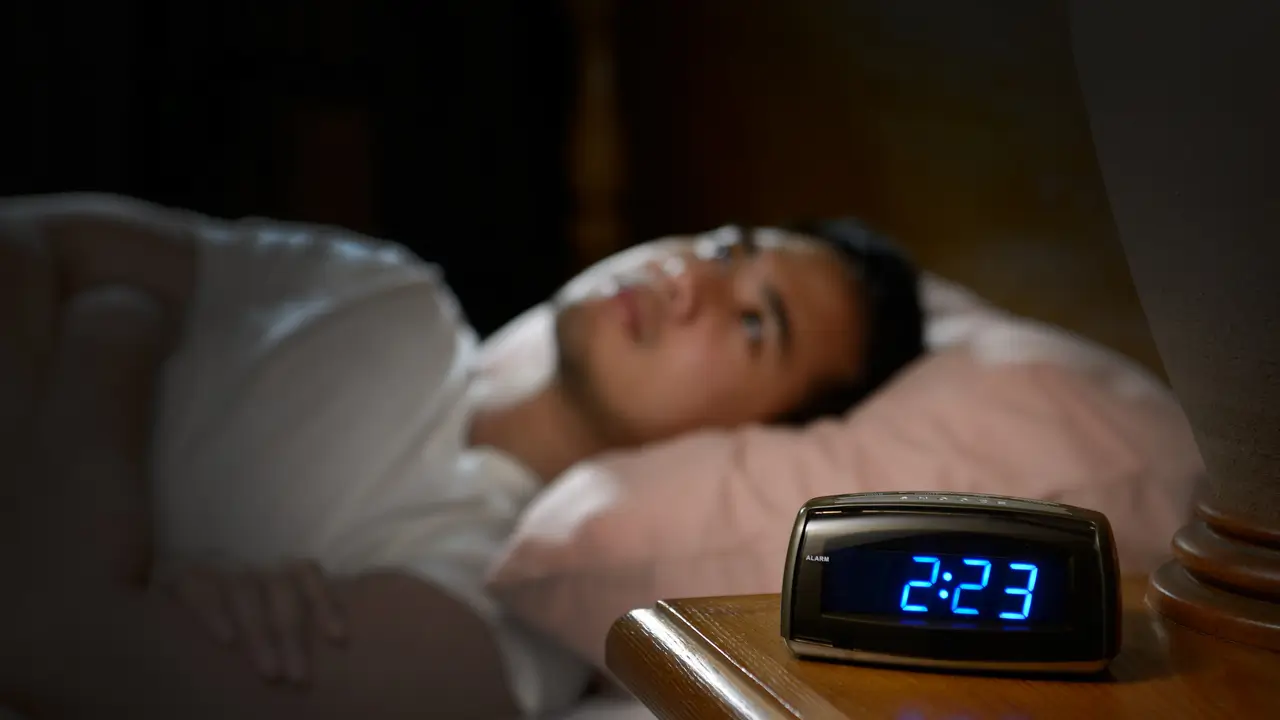
You showed up at the gym ready to destroy things. You chugged your pre-workout, crushed a personal best, and walked out feeling like a superhero. But now it’s 2:37 a.m., you’re wide awake, staring at the ceiling, desperately trying to figure out how to come down from taking a pre-workout so you can finally get some sleep.
Been there. Done that. Got the dark circles to prove it.
Here’s the thing: pre-workout is supposed to fuel your fire, not make you burn the midnight oil. If you’re struggling after evening training, you’re not broken; you’re just fighting biology without the right tools.
Let’s fix that.
Pre-workout supplements are basically rocket fuel for your central nervous system. They’re designed to boost energy, focus, and performance by flooding your brain with stimulants, most notably caffeine in high doses.
Sounds great during deadlifts. Less great when you’re trying to convince your brain that 3 a.m. is not, in fact, game time.
Here’s the problem: stimulants elevate stress hormones and keep your nervous system humming long after your workout ends. When you take pre-workout too close to bedtime, those compounds linger in your bloodstream and make falling asleep feel like trying to convince a toddler that naps are fun.
Caffeine has a half-life of approximately 4 to 6 hours in most adults. In plain English? If you consume 300mg of caffeine in your pre-workout at 6:00 p.m., by 11:00 p.m., you’ll still have roughly 150mg of caffeine cruising through your veins.
Still think that evening workout is harmless?
Research shows that 400mg of caffeine (about four cups of coffee) can significantly disrupt sleep even when consumed 12 hours before bedtime. That means taking longer to fall asleep, less deep sleep, and waking up more in the middle of the night.
One meta-analysis found that a pre-workout containing 217.5mg caffeine should be consumed at least 13.2 hours before bed to avoid sleep disruption. Let’s do the math together: if you want to sleep at 10:00 p.m., your pre-workout cutoff is roughly 8:45 a.m.
Yes, that’s inconvenient. But your sleep is worth it.
Caffeine isn’t the only culprit. Pre-workouts often contain:
Think of it this way: your pre-workout is throwing a party in your nervous system. The question is whether you know how to be a responsible host and politely ask everyone to leave when it’s time for bed.
I know. Sleep feels optional when you’re chasing gains. But here’s the truth bomb: you don’t grow in the gym. You grow in bed.
During deep sleep, your body releases growth hormone, repairs muscle tissue, and synthesizes protein. Skimp on sleep, and you’re literally leaving gains on the table.
Melatonin—your body’s natural sleep hormone—is also a powerful antioxidant. Research shows that melatonin supplementation improves antioxidant status and reduces inflammation in athletes, while helping to reverse exercise-induced muscle damage. It’s like a cleanup crew for your muscles, working the night shift while you snooze.
Studies consistently show that well-rested athletes outperform sleep-deprived ones. Melatonin supplementation has been shown to:
So yes, that extra hour of sleep might actually make you stronger than an extra hour in the gym.
How do you know if your pre-workout is sabotaging your sleep? Look for these clues:
You’re tired but wired: Your body is exhausted, but your brain is running a marathon.
Your heart is still racing at bedtime: If your resting heart rate is higher than it should be when you hit the pillow, stimulants are likely still active.
You wake up feeling robbed: You slept 7-8 hours but feel like you barely rested at all.
You’re relying on more caffeine to function the next day: That afternoon coffee isn’t a lifestyle choice, it’s a survival mechanism.
If any of these sounds familiar, keep reading. We’re about to fix this.
“The best way to avoid sleep disruption is to avoid taking pre-workout late in the day,” explains Nicolle Cucco, M.S., R.D., C.P.T. Revolutionary advice, right? But seriously—if you train in the evening, consider switching to a caffeine-free pre-workout. Your sleep will thank you.
Caffeine metabolism varies wildly between individuals. Some people can drink espresso at 8:00 p.m. and sleep like babies. Others look at a coffee and stay awake until dawn.
Track your sleep for a week. If you’re struggling, push your last caffeine dose earlier until you find your sweet spot. For some, that’s six hours before bed. For others, it’s 12+ hours.
This is where science gets exciting. To counter stimulant-driven wakefulness, you need ingredients that tell your nervous system, “Hey, we’re done fighting. It’s time to recover.”
L-theanine is your new best friend. A randomized, double-blind study found that 200mg of L-theanine actually antagonized caffeine’s effects on blood pressure and promoted relaxation. It helps quiet anxious thoughts without making you drowsy—like a gentle hand on your brain’s shoulder saying, “Chill out, we’ve got this.”
GABA (gamma-aminobutyric acid) is your brain’s natural “off switch.” Systematic reviews show oral GABA intake can reduce stress and support sleep through multiple pathways, including the gut-brain axis via the vagus nerve.
Melatonin has been extensively studied in athletes. Research demonstrates that 5-6mg taken at night can enhance next-day performance and improve recovery for up to 72 hours post-exercise. A systematic review of 21 controlled trials found that melatonin improved antioxidant status, reduced inflammation, and helped reverse muscle damage in trained athletes.
Herbal allies like Valerian, chamomile, and passionflower have scientific backing, too. Valerian increases GABA availability, chamomile contains apigenin (which binds to sleep-promoting receptors), and passionflower boosts GABA levels. Nature knew what it was doing.
Your body reads light as a command: “Stay awake!” Artificial light, especially blue light from screens, disrupts melatonin production.
Try this:
Your circadian rhythm runs on routine. Going to bed and waking up at the same time trains your body to release melatonin and produce cortisol at the same time.
Think of it as training for sleep—because honestly, sleep might be the most important workout you’re not tracking.
Sometimes, even with perfect habits, your nervous system needs backup. That stimulant load is real, and willpower alone won’t power it down.
That’s exactly why we created DISCONNEKT® at EFX Sports.
DISCONNEKT is a patented, multi-targeted liquid formula engineered for one specific mission: to help wired athletes transition into deep, restorative sleep.
Here’s what’s inside and why it matters:
| Ingredient | Amount | What It Does |
| GABA | 50mg | Your brain’s natural “calm” neurotransmitter |
| Melatonin | 5mg | The master hormone that regulates sleep-wake cycles |
| TryptoLyn™ | 50mg | Buffered L-Tryptophan—precursor to serotonin and melatonin |
| TheanaLyn™ | 5mg | Buffered L-Theanine—promotes alpha brain waves for relaxed focus |
| ProPhexel® | 50mg | Proprietary blend of valerian, chamomile, and passionflower |
Most sleep aids come in pills that need to be digested—a slow process that’s unpredictable, especially when your system is already processing pre-workout.
DISCONNEKT uses rapid-release liquid delivery designed for faster absorption. Place 1mL under your tongue for 30 seconds, then swallow. Key compounds enter your bloodstream directly, bypassing digestion for faster, more reliable action.
Think of it as the express lane to relaxation.
DISCONNEKT isn’t designed to knock you out. It’s designed to counteract the stimulant buzz—to quiet the noise so your body’s natural sleep mechanisms can take over.
You power down efficiently, achieve deeper sleep, and wake up ready to train again.
No grogginess. No sedation. Just recovery.
You shouldn’t have to choose between great workouts and great sleep. That’s a false choice.
Pre-workout fuels your fire. DISCONNEKT ensures you don’t burn the night.
When you power down effectively, you recover better, perform better, and show up stronger for every workout that matters.
Now go train hard. Then sleep well. Then repeat.
We’re in this together.
Most experts recommend at least six hours, but research suggests 400mg of caffeine can disrupt sleep even 12 hours later. For a pre-workout with 200+ mg of caffeine, you may need up to 13 hours. Listen to your body and adjust.
Yes, and the research backs it up. A double-blind study found that 200mg L-theanine antagonized caffeine’s effects on blood pressure while promoting relaxation. It’s like a chill pill that actually works.
Absolutely. It’s formulated for regular use as part of your nightly recovery protocol. Follow the suggested use: 1mL under the tongue for 30 seconds, 15-20 minutes before sleep.
DISCONNEKT doesn’t sedate you. It counteracts stimulant-driven wakefulness and supports your body’s natural sleep mechanisms. You power down naturally rather than getting knocked out artificially.
If you’re under a doctor’s care, pregnant, or nursing, consult your physician before using DISCONNEKT or any supplement.
Faster absorption. Key compounds enter your bloodstream directly through tissues under your tongue, bypassing digestion for faster, more reliable action.
Nope. Research on melatonin shows that it can enhance next-day performance without morning grogginess. DISCONNEKT is formulated to help you wake up ready to perform.
Yes. Multiple studies and systematic reviews in athletic populations (doses 5-100mg) show benefits for recovery, antioxidant status, and reduced inflammation, without safety concerns.