In competitive sports, training and discipline are just part of the equation. What sets elite performers apart often comes down to choices made outside the gym, especially in nutrition. Sports nutrition supplements have emerged as essential tools for athletes and fitness enthusiasts seeking to maximize progress, support recovery, and stay ahead in their disciplines. These products range from protein powders that help build muscle to specialized recovery formulas designed to speed repair after intense exercise. They serve needs that aren’t always met by standard diets and give athletes a sharper edge in reaching their goals.
Athletic demands vary, from explosive power in sprints and lifts to sustained endurance in distance running or cycling. Many athletes discover that whole foods alone may not replenish nutrients quickly or in sufficient amounts, especially as training intensifies. Sports nutrition and supplements step in to bridge those gaps. Within the first few paragraphs, it’s already clear why these products have witnessed such widespread adoption in recent years. Industry surveys indicate that at least 65% of adult athletes in the U.S. use dietary or sports supplements regularly (National Center for Health Statistics, 2025). This widespread use is no accident. Nutritional science backs the practice with decades of research highlighting the impact of targeted supplementation on everything from muscular recovery to mental stamina.
A critical distinction must be drawn between ordinary general-purpose supplements and those crafted especially for sport. Sport nutrition brands focus their research, testing, and formula development around the pressures and metabolic demands of athletic activity. It’s not about quick fixes or miracle pills; it’s about supplying the body with precisely what it needs to sustain increased training loads and reach new peaks of performance.
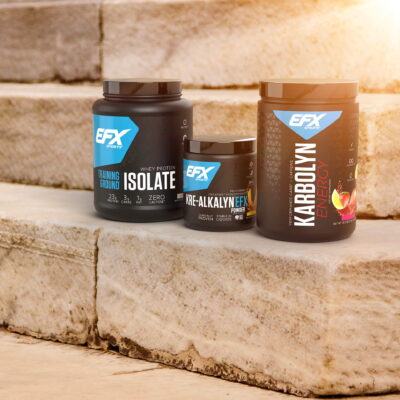
For those who spend countless hours chasing new personal records or preparing for competitions, EFX Sports supplements become far more than an accessory; they’re an extension of a training plan. Whether it’s hydration support, amino acids for muscle repair, or micronutrients to prevent deficiencies, each supplement serves a strategic purpose. As more people join the ranks of fitness enthusiasts, the conversation around the necessity and innovative use of these supplements continues to grow.
While grocery aisles offer an overwhelming selection, understanding why and how to use the right supplements can be the deciding factor in achieving better results. In the sections ahead, we’ll explore how sports nutrition and supplements drive performance, examine which products are most effective for specific athletic goals, and shed light on evidence-based ways to integrate them safely and successfully.
To truly appreciate the power of sports nutrition supplements, it’s crucial to unravel the evidence behind the ingredients that athletes rely on every day. The sports nutrition industry is fueled by research conducted in labs, athletic centers, and universities worldwide. These studies, from small-scale performance trials to multi-year investigations, reveal how targeted supplementation can affect everything from muscle growth to immunity and recovery.
At the heart of effective sports nutrition are three central categories of supplements for athletes: protein and amino acids, energy boosters, and micronutrient formulas. Each targets a distinct aspect of athletic performance, providing a mosaic of benefits.
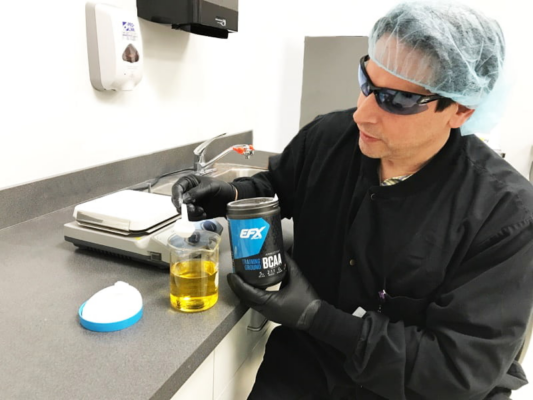
Amino acids, the building blocks of protein, are fundamental for muscle repair and growth. After strength workouts or endurance exercise, muscles sustain microscopic damage. Consuming a high-quality source of protein, such as whey isolate or a plant-based blend, shortly after training helps repair and rebuild muscle fibers, speeding recovery (International Society of Sports Nutrition, 2025). Branched-chain amino acids (BCAAs) and essential amino acids (EAAs), in particular, are widely recognized for supporting optimal muscle protein synthesis and reducing soreness in athletes of all levels.
Creatine monohydrate stands alone as one of the most researched and validated compounds in the world of sports supplements. As a naturally occurring substance in muscle cells, it supports rapid ATP (energy) production, critical during high-intensity efforts such as weightlifting or sprinting. Studies confirm that creatine supplementation can lead to greater strength gains, improved muscle mass, and shorter recovery periods between bouts of exertion.
Caffeine, another staple, enhances alertness and endurance. Its effects have been so well documented that organizations such as the NCAA and the International Olympic Committee closely monitor its use in competition. Caffeine can delay fatigue, sharpen mental focus, and even promote a stronger sense of effort during exercise.
Electrolyte blends, often combining sodium, potassium, magnesium, and calcium, help replace minerals lost through sweat. For athletes training in hot, humid conditions or for extended periods, maintaining electrolyte balance prevents cramping and dips in performance. Similarly, vitamins such as D and B12, and minerals such as iron and zinc, may be needed to shore up any dietary shortfalls that could impair training adaptation.
But which athletic performance supplements yield the most apparent benefits? According to recent consensus statements by leading sports nutrition experts, the top evidence-supported options include:
Anyone interested in sports nutrition and supplements needs to look for brands that prioritize transparency, third-party testing, and ingredient quality. Third-party certifications ensure a product is free of banned substances and contaminants—a must for competitive athletes.
For those eager to explore the wider science, authoritative resources such as the International Society of Sports Nutrition (ISSN) and Current Sports Medicine Reports publish ongoing updates about emerging ingredients and protocols proven to support athletes.
When athletes walk into a supplement shop or scroll through products online, they encounter hundreds of options. What separates an authentic sports nutrition brand is the thoughtful approach to research, formulation, and testing that goes into each product. Instead of concocting generic blends, these companies start by identifying the diverse demands different sports and activities place on the human body, and then develop supplements to meet those specific needs.
A competitive bodybuilder, for example, may prioritize fast-digesting proteins, precise ratios of BCAAs, and micronutrient complexes that reinforce metabolic resilience during calorie deficits. Conversely, an endurance runner needs steady energy, electrolyte support, and joint-protecting nutrients to weather hundreds of miles logged each month. A basketball player or soccer forward, frequently pushing through stop-and-go movement, benefits from creatine, joint support, and hydration aids tailored to intermittent exertion.
Advanced brands invest heavily in peer-reviewed research and athlete feedback. They collaborate with professional teams, university researchers, and independent labs to refine formulas until each meets a high bar for safety, effectiveness, and transparency. Independent verification, often via NSF Certified for Sport or Informed-Choice, for example, offers additional peace of mind, especially for competitive athletes subject to anti-doping regulations.
Transparency extends beyond third-party seals. The best sports supplement companies provide:
Whether developing athletic performance supplements for beginners or elite-level competitors, the sports nutrition industry is moving swiftly toward transparency, customization, and aligning with evolving scientific evidence. Athletes benefit directly when formulas deliver what’s needed, nothing more and nothing less.
The benefits of sports nutrition supplements extend far beyond muscle-building and energy spikes. Bodybuilders and powerlifters aim for physique improvements, but runners, cyclists, and competitive team players value enhanced stamina, sharper mental focus, and minimized injury risk. Even athletes focused on recovery and reducing downtime rely on specific supplementation strategies to maintain steady progress.
Athletes frequently overlook how subtle nutrient deficiencies can accumulate over time, subtly diminishing motivation, coordination, or immunity. Supplements for athletes can help prevent this downward spiral when selected and used with care. For instance, a competitor training twice daily in warm conditions may require two to three times the standard sodium intake to replace sweat losses. Likewise, plant-based athletes may have lower levels of iron and vitamin B12, both of which are readily addressed through targeted supplementation.
For the best results:
A well-rounded approach, blending smart supplementation with quality food, sound sleep, and proper hydration, will always yield the strongest athletic trajectory. For readers interested in optimizing their overall approach, the article Nutritional Strategies for Athletes offers a deeper dive into holistic planning.
Every athlete’s journey with sports nutrition supplements begins with selecting products, but actual results come from responsible and informed use. Blindly adding the latest trend can waste time and money, or worse, impede progress or jeopardize health. Here’s how to weave supplements successfully into any athletic routine.
Supplements are meant to complement, not replace, a nutrient-dense, well-balanced diet. Focus on lean proteins, whole grains, colorful vegetables, fruit, nuts, and healthy fats. Only after ensuring dietary consistency should athletes layer in products to cover any gaps or boost performance.
Are you training for muscle gain, endurance, fat loss, or improved recovery times? Each objective calls for specific products and protocols. Use a training journal or app to correlate supplement routines with performance metrics, sleep quality, energy levels, and mood. This evidence-based approach prevents falling for marketing hype.
Adapt supplementation to training cycles. Ramp up recovery supplements for athletes during competition, taper down during off-season, and reassess needs with changes in health or performance.
Some supplements, such as creatine, may cause mild fluid retention or require dose ramping to avoid stomach upset. Multi-ingredient pre-workouts can have stimulants that affect sleep or anxiety if taken late in the day. Monitoring your body and consulting qualified professionals (e.g., sports dietitians) is vital.
For readers considering a systematic approach, EFX Sports offers supplements to help achieve optimal results, utilizing practical routines and science to avoid common pitfalls.
Sports nutrition and supplements work as allies on the journey toward athletic excellence when used with discipline and self-awareness.
Sports nutrition supplements have come a long way from basic protein powders and energy bars. New research, changing consumer attitudes, and advances in ingredient technology are shaping the future landscape of the supplement industry. Here are some emerging trends and innovations athletes and fitness enthusiasts can expect:
Athletes are increasingly seeking supplementation plans that match their unique goals, body chemistry, and sport demands. Customized supplement stacks, based on DNA analysis, gut health, and metabolic testing, are gaining popularity. This next-level approach allows users to maximize results while minimizing side effects and inefficiencies.
An emerging body of research connects gut health to overall performance, immunity, and recovery. As a result, probiotics, prebiotics, and fermented ingredients are increasingly being incorporated into recovery supplements for athletes. Adaptogenic herbs like ashwagandha, rhodiola, and cordyceps are also becoming more common, helping athletes manage stress, balance energy, and improve endurance. These ingredients offer natural support beyond macronutrients, boosting the athlete’s resilience to mental and physical fatigue.
Modern athletes care about where their supplements come from. Transparency and clean labeling are now standard expectations. Sport nutrition brands are responding by sourcing non-GMO and even organic materials. Third-party certifications for quality and credible sourcing help consumers make informed decisions.
As science evolves, so do the ways supplements are delivered. Innovations such as quick-dissolve tablets, liquid extracts, and advanced delivery systems make it easier for nutrients to be rapidly absorbed and utilized efficiently. These advancements translate into quicker effects, whether it’s a pre-workout boost or speedy post-training recovery.
Smart wearables, health apps, and fitness trackers are now integrating supplement tracking and reminders. Some digital platforms educate users on proper timing, synergistic combinations, and personalized suggestions based on real-time activity metrics. With data-driven insights, both amateur and professional athletes can optimize their sports nutrition and supplements protocols like never before.
These industry shifts reflect the growing awareness that sports supplements are essential allies in a well-rounded athletic lifestyle, not just add-ons. As science and innovation progress, athletes are empowered with better tools to perform, recover, and evolve continuously.
Athletes in most disciplines benefit from a quality protein powder, creatine monohydrate, and an electrolyte blend for fluid balance. These products support muscle repair, strength gains, and sustained performance. Depending on specific needs, BCAAs, omega-3s, and a comprehensive multivitamin can also serve as crucial components.
When products are sourced from reputable brands, follow labeled instructions, and are integrated with a balanced diet, most are safe for extended use. However, certain supplements, especially those with stimulants or high doses, should be cycled or monitored closely. Regular health check-ups and consultation with a certified nutritionist can help tailor regimens safely.
These blends typically provide rapidly digesting proteins (such as whey hydrolysate), amino acids like glutamine, electrolytes, and antioxidants. The combination aids muscle repair, reduces inflammation, and replenishes nutrients lost during exercise. Consuming recovery supplements within an hour after training optimizes their impact.
While supplements cannot guarantee injury prevention, formulas containing omega-3 fatty acids, joint-support ingredients (such as glucosamine, collagen, or Kre-Celazine), and targeted antioxidants may help reduce inflammation and support connective tissue health. Meeting overall nutrient needs also promotes resilience against wear and tear.
Look for companies committed to transparency, sound science, and quality assurance. Prioritize those with third-party testing, open communication about ingredient sources, and a history of positive reviews or endorsements from professional athletes. Align choices with specific performance goals, dietary needs, and independent certification seals for peace of mind.